How to Take Notes at an Art Exhibition
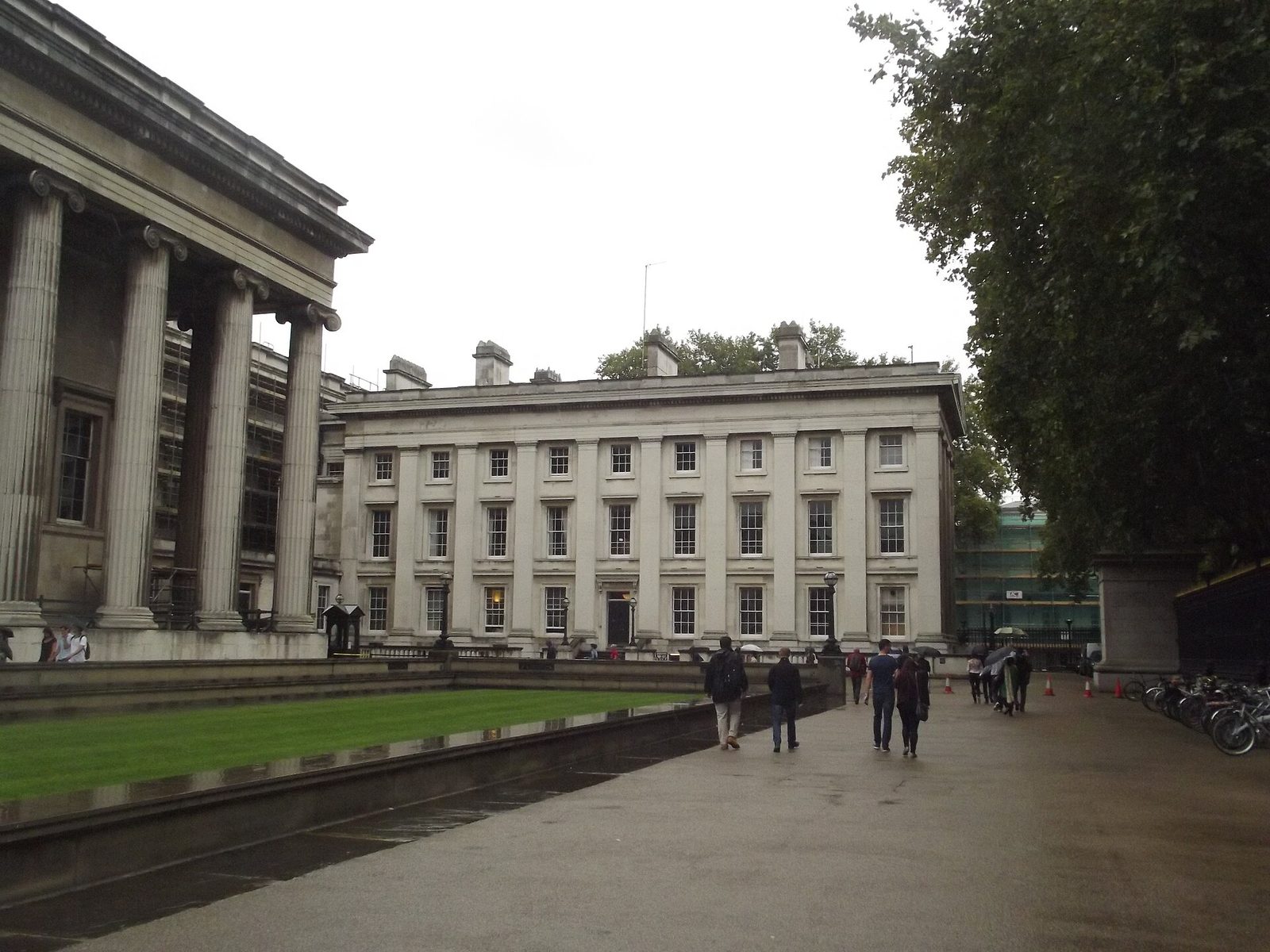
To take notes at an art exhibition, write by hand or on a silent phone in short, numbered entries that separate four things: the facts of each work (artist, title, date, medium), what you actually see, the questions it raises and your reaction, marked as reaction. Look before you read the label, time-stamp new observations, take a few deliberate detail photographs where the venue allows it, and expand everything the same day. Check the gallery's rules first: the National Gallery in London, for example, allows sketchbooks up to A3 and asks visitors to spend no more than ten minutes in front of any one painting.
Before the visit
Decide what the notes are for. A review needs a judgement and enough evidence to support it. Research notes need accurate references. A private visit may only need a few lines on what stayed with you. The purpose sets how much you write.
Read the venue's visitor rules before you go, because they shape your tools. The National Gallery's guidance on sketching in the Gallery permits pencils, crayons, graphite, ballpoint pens, medium or hard charcoal, fountain pens with an internal reservoir and non-permanent felt-tips in rooms with paintings, limits sketchbooks and notepaper to A3, and asks people not to sketch in doorways or access routes (checked October 2026). Its visitor photography policy allows photography for personal, non-commercial purposes, with exceptions: no flash, additional lighting, tripods or selfie sticks, and restrictions on some loans as shown beside the works. Rules differ between venues and between exhibitions in the same venue, so check each time.
Then set up the first page: exhibition title, venue, dates of the show, date and time of your visit, curator if named. If you have the press release or room guide, keep it in a separate folder rather than in your notebook, so you can tell later which ideas were yours.
Choosing your tools
Paper and pencil remain the safest choice: silent, permitted almost everywhere and easy to annotate later. A pocket notebook that fits one hand leaves the other free for a room guide.
The research on handwriting versus laptops is more mixed than it is often presented. A 2014 study by Pam Mueller and Daniel Oppenheimer, summarised in the overview of note-taking research, found that students taking laptop notes tended to transcribe lectures verbatim and did worse on conceptual questions. A 2021 direct replication led by Heather Urry at Tufts University, published in Psychological Science, confirmed that laptop users wrote more words verbatim but found no difference in quiz performance. The practical lesson for galleries is less about the device than about the habit: summarise in your own words rather than copying.
A phone works if you silence it, lower the screen brightness and avoid holding it up in other visitors' sightlines. Voice memos are useful outside the rooms but disruptive inside them.
What to record for each work
A simple, repeatable entry keeps notes usable:
| Field | Example |
|---|---|
| Number and location | 7, Room 3, east wall |
| Facts | Artist, title, date, medium, dimensions, lender |
| Description | What is physically there, in neutral words |
| Question | What you do not understand or want to check |
| Reaction | Marked "R:", kept separate from description |
Numbering works in the order you meet them, and sketching a rough plan of each room, lets you match notes to photographs and labels later.
Description is the field that matters most. "Small panel, dark ground, three figures pressed to the left edge, gold leaf worn through to red bole at the halo" is evidence a reader could check. "Moving" is not. Keep the reaction line, because first responses are valuable, but label it so it does not masquerade as observation.
Add a "check" flag for anything uncertain: spelling of names, dates, media, a phrase overheard from a guide. A flagged doubt is far better than a confident error.
Looking first, then reading
Wall texts are useful but powerful. Read them first and they frame what you notice; read them after, and you can see what they add or change. A good routine is to give each key work a few minutes of looking, write the description, then read the label and add a line on what it changed. Harvard Project Zero's See, Think, Wonder routine follows the same order, and its three prompts make a handy template for each entry: what you see, what you think about it, what it makes you wonder.
Time-stamping helps on longer looks. The Harvard art historian Jennifer L. Roberts asks students to spend three hours with a single painting and to note "evolving observations as well as the questions and speculations that arise", as described in Harvard Magazine's "The Power of Patience". In her own trial on Copley's portrait of a boy with a squirrel, she recorded that it took nine minutes to notice that the boy's ear echoes the shape of the squirrel's ruff. Few visits allow three hours, but noting the minute at which each observation arrived shows how much a second and third look produces.
Pace yourself. The idea of museum fatigue was first described by Benjamin Ives Gilman in The Scientific Monthly in January 1916, and later research has repeatedly found attention falling during long visits. Plan breaks, and spend more time on fewer works. Events such as Slow Art Day, next held on 3 April 2027 (checked October 2026), build visits around a handful of works seen for several minutes each, which suits careful note-taking.
Photographs and memory
Photographs help, but they can also replace attention. In a 2014 study published in Psychological Science, Linda Henkel of Fairfield University led participants on a museum tour and found a "photo-taking-impairment effect": objects photographed as a whole were remembered less well, in less detail and with less memory of their location, than objects only observed. When participants zoomed in to photograph a specific part of an object, the impairment disappeared.
That finding suggests a working rule:
- Take one wide photograph per room for layout and hang.
- For works you may write about, photograph a chosen detail and note why you chose it.
- Photograph the label rather than copying long texts by hand.
- Write the description before taking the picture, not instead of it.
Where photography is not allowed, a quick thumbnail sketch of a composition, even in boxes and arrows, records more than most people expect.
Quotations, labels and copyright
Notes often end up in published writing, so handle borrowed words carefully. Put any exact wording from a label, catalogue or guide in quotation marks with its source, and paraphrase everything else in your own words. This avoids accidental plagiarism when you draft weeks later.
For published criticism, UK law allows some use of other people's material. The government's guidance on exceptions to copyright explains that fair dealing for criticism, review or quotation is allowed for any type of copyright work, with sufficient acknowledgement. That covers short quotations in a review; it does not cover reproducing a whole catalogue essay.
Accuracy is a professional duty as well as a courtesy. AICA-UK's Guidelines for Critics and Commissioners state that authors "need to undertake diligent research to ensure that all statements in their texts purporting to be factual are true to the best of their knowledge." Your notes are where that research begins.
From notes to a draft
Expand the notes the same day, while the visit is fresh. A structure borrowed from the Cornell note-taking system, devised in the 1950s by Walter Pauk at Cornell University, works well: keep the raw notes on one side of the page, add short cue words or questions in a margin afterwards, and write a brief summary at the bottom.
Then:
- Pick the core works. Circle the three or four that carry the argument of the show and write one sentence on why each matters.
- Regroup by idea, not by room. Reviews rarely need a room-by-room tour. Gather notes on scale, material, repetition or curatorial choices into themes.
- Build a fact sheet. Names, titles, dates, media, dimensions and lenders, each confirmed against the gallery's list or press office.
- Return if you can. A second visit tests whether first impressions hold and fills gaps flagged with "check".
Common faults are easy to avoid once you know them: opinions with no evidence, trying to note everything, copying label text as though it were observation, and judging the whole show from the first room. For more essays on looking, criticism and writing, see mariabregman.com.