Visual Literacy for Beginners
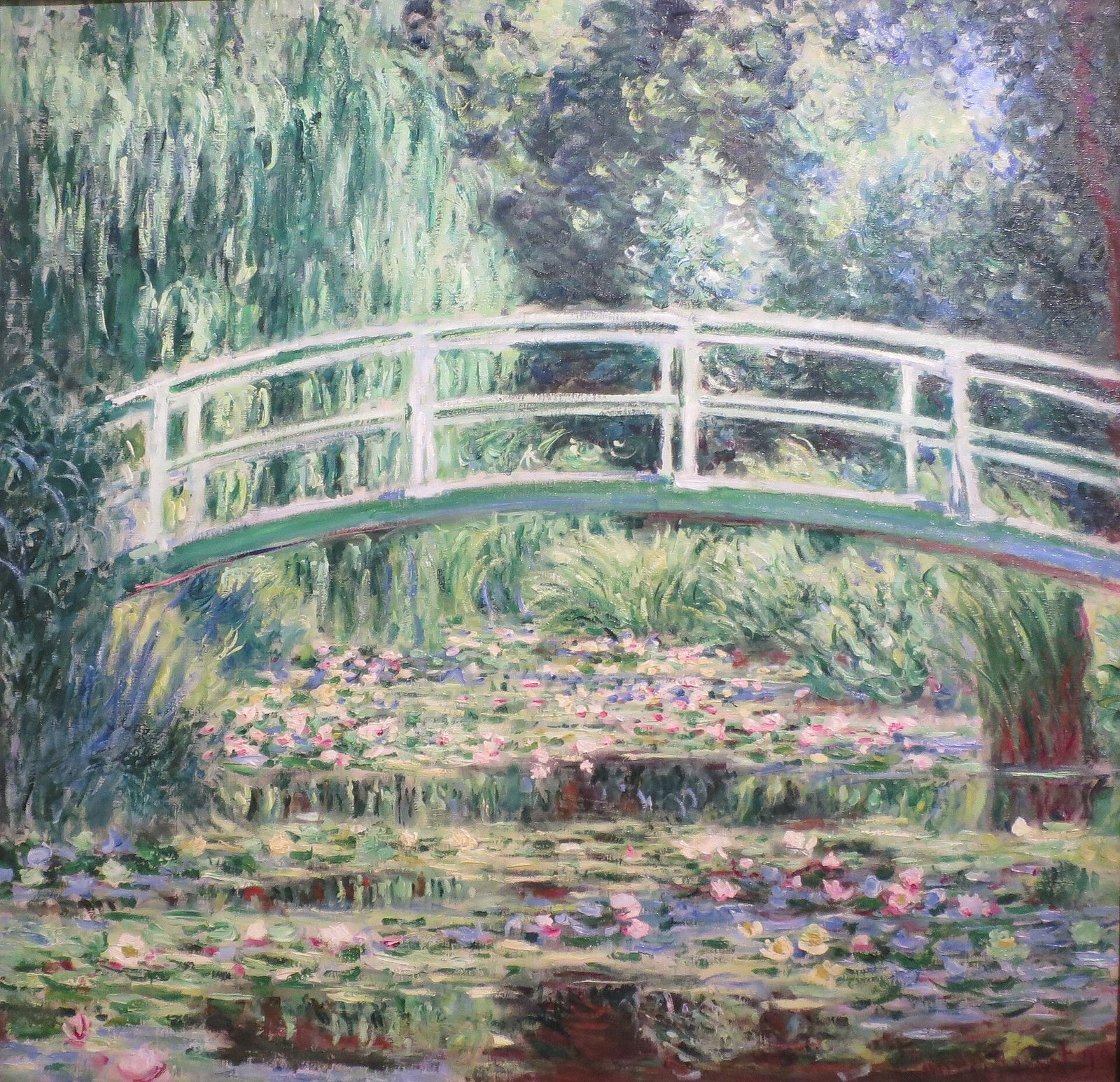
Visual literacy is the learned ability to find, interpret, evaluate and make images, and beginners build it the same way they built reading: by slowing down, naming what they see and checking their interpretations against evidence. The quickest start is a three-question habit used in schools and museums worldwide: what is going on here, what do you see that makes you say that, and what more can you find? Add a small vocabulary of formal terms and a habit of asking where an image came from, and you have the core of the skill. Everything else is practice.
What visual literacy means
The phrase is usually credited to John Debes, a co-founder of the International Visual Literacy Association (IVLA). In 1969 he offered a tentative definition: "Visual literacy refers to a group of vision-competencies a human being can develop by seeing and at the same time having and integrating other sensory experiences." The Wikipedia overview of visual literacy notes that the term was in occasional use from the late 1930s, but Debes gave it its modern currency.
Later definitions became more practical. IVLA's page on visual literacy defined quotes the 2011 standards task force of the Association of College and Research Libraries: "a set of abilities that enables an individual to effectively find, interpret, evaluate, use, and create images and visual media." The most recent definition it cites, from Maggie Murphy's 2024 book on visual literacy pedagogy, describes "an interconnected set of practices, habits, and values for participating in visual culture".
Two points stand out across these definitions. Visual literacy is learned rather than innate, and it covers everyday images as much as art. A painting, a news photograph, a chart and a social media post all reward the same disciplined attention.
Looking slowly
Most beginners look too fast. They identify a subject, form a reaction and move on within seconds. The first exercise is simply to extend that time.
Pick one image and give it five minutes without reading any caption or label:
- First minute. Take in the whole thing. Do not name anything yet.
- Second and third minutes. List what is physically there: figures, objects, colours, light, marks, materials.
- Fourth minute. Notice where your eye went first and where it travelled next.
- Fifth minute. Write one sentence about what you think is happening, and one about what you are unsure of.
Only then read the label. Compare what the caption tells you with what you found on your own. The gap between the two is usually where learning happens.
Three questions that build the habit
The most widely used beginner method is Visual Thinking Strategies (VTS). Its discussions start with three questions: "What's going on here? What do you see that makes you say that? What more can you find?" The second question does most of the work. It forces every interpretation back to evidence in the image.
VTS grew out of research rather than theory. According to the institute's founders page, the researcher Abigail Housen spent decades studying how people respond to art, with her teams conducting tens of thousands of interviews to map how engagement deepens with time spent looking. While evaluating education programmes at the Museum of Modern Art in the 1990s she met Philip Yenawine, then the museum's head of education, and the two co-founded Visual Understanding in Education, the predecessor of VTS. The institute says it has trained educators, museum staff and physicians for more than three decades.
A similar routine from Harvard's Project Zero, See, Think, Wonder, asks what you see, what you think about it and what it makes you wonder. Both work alone or in a group. Spoken aloud with a friend, they are even better, because another person will notice things you missed.
Describe, analyse, interpret, evaluate
Once the habit of slow looking is in place, a four-stage structure helps you organise what you find.
- Describe. Medium, size, subject, colours, materials. Only what anyone could confirm by looking.
- Analyse. How the parts work together: focal point, contrast, repetition, balance, how your eye moves.
- Interpret. A plausible meaning, supported by the evidence from the first two stages.
- Evaluate. Whether the image achieves what it seems to attempt, and why you think so.
The order matters. A common beginner mistake is to begin with a verdict ("it's sad", "it's boring") and then look for reasons. Reversing the order produces more interesting interpretations and more defensible opinions. Compare "it's a sad painting" with "the figure sits low in the frame, the palette is limited to grey-blues, and the brushwork is loose". The second version gives a reader something to test, and it may lead somewhere other than sadness.
For sculpture and installation, add movement to the description stage. Walk around the work, look from a distance and close up, and note how light and silhouette change.
Colour, line, light and composition
You cannot analyse what you cannot name, so a small working vocabulary is worth learning early. Four areas cover most of what beginners need.
Colour. Note hue, saturation and temperature, and how colours sit next to each other. The colour wheel used to describe complementary and analogous pairs goes back to the colour circle Isaac Newton published in Opticks, according to the history of the colour wheel. Associations such as warm colours feeling energetic are cultural and contextual rather than fixed rules, so treat them as questions to test.
Line. Look for drawn lines and implied ones, such as the direction of a gaze or a pointing arm. Diagonals often create movement; horizontals and verticals tend to read as stable.
Light and value. Tate's glossary defines chiaroscuro as an Italian term meaning light-dark, referring to the balance and pattern of light and shade. Ask where the light comes from and what it picks out.
Composition and surface. The rule of thirds was first written down by John Thomas Smith in his 1797 book Remarks on Rural Scenery. Treat it as one convention among many, not a law. For surface, learn a handful of material terms: Tate describes impasto as an area of thick paint or texture, first noticeable in the work of the Venetian painters Titian and Tintoretto.
Keep a running list of new terms with an example image for each. After a few months the list becomes a personal glossary.
Images in everyday life
Visual literacy matters most outside galleries, because that is where most images are encountered. The same questions apply to a news photograph or an advert:
- What is in the frame, and what has been cropped out?
- Where was the camera, and how does the angle shape your reaction?
- Does the caption match what the image actually shows?
- Who made it, when, and for what purpose?
That last question has become more pressing as editing and image generation tools improve. One industry response is the Coalition for Content Provenance and Authenticity (C2PA), which publishes an open technical standard, called Content Credentials, for recording the origin and edits of digital content. The coalition compares Content Credentials to "a nutrition label for digital content". Not every image carries such data, so the habit of checking the source and comparing with other reports remains the beginner's main defence.
Charts and infographics deserve the same scrutiny. Check axis labels and starting points, the units used and whether the visual size of each element matches the number it represents.
Practising with real works
Regular practice with original objects speeds up progress. Museums are the obvious place to start, and many of them build programmes around close looking at one picture. The National Gallery's Take One Picture is its national programme for primary schools: every year it selects one painting from the collection to inspire cross-curricular classroom work, with an annual exhibition of the results. Adults can borrow the idea by choosing one painting and returning to it several times over a month.
A simple weekly routine for beginners:
| Week | Exercise |
|---|---|
| 1 | Five-minute silent look at one image, notes before reading the label |
| 2 | Run the three VTS questions on a news photograph |
| 3 | Describe a painting in 100 words with no judging adjectives |
| 4 | Compare two images of the same subject and list five differences |
Repeat the cycle with new images. Keep the notes, and reread the first ones after a couple of months to see how your descriptions have changed.
Where to go next
Once the basics feel natural, widen the range of images you practise on: abstract painting, photography, film stills, architecture, data graphics. Each demands slightly different vocabulary, but the habits are the same. Read criticism and museum catalogue entries to see how experienced writers move from observation to interpretation, and notice where they rely on evidence and where they assert.
IVLA publishes the Journal of Visual Literacy and runs an annual conference for those who want the research side. For essays on looking, reading and criticism, see mariabregman.com.